Description
Henan & Shanxi 14 Days Tour
Henan & Shanxi 12 Days Tour

Sightseeing
Hotel
Transfer
13N/14D
- Tour Code: HENAN13
- Operator: Signature TT
- Duration: 13 Nights/ 14 Days

What is Excluded
- International air tickets
- China visa
- Tips
- Travel insurance
- Any personal expenses
What is Included
- 11 nights All 5 stars hotel or local best
- 1 High-Speed Train ticket: Jiaozou - Zhengzhou
- Meals as indicated in the itinerary.
- All sightseeing admission
- Cable car
- Inpark shuttle
- Delicious Local cuisine
- Hotel room based on Twin share
- Impression shows at VIP seat
Itinerary
-
Day : 1 Los Angeles – Zhengzhou
Aboard the flight across the Pacific Ocean to Taiyuan the capital city of Henan Province of P.R.China
Flight:
-
Day : 2 Arrival Zhengzhou
Arrival in Zhengzhou, pick up and transfer to the hotel after check-in rest well after the long flight. Zhengzhou, located in the central plains of China, is the capital city of Henan province, which was one of the eight ancient capitals of China with a long history and numerous cultural
Hotel As Per Itinerary: JW Marriott Zhengzhou or similar
relics.
Meals Included: , Dinner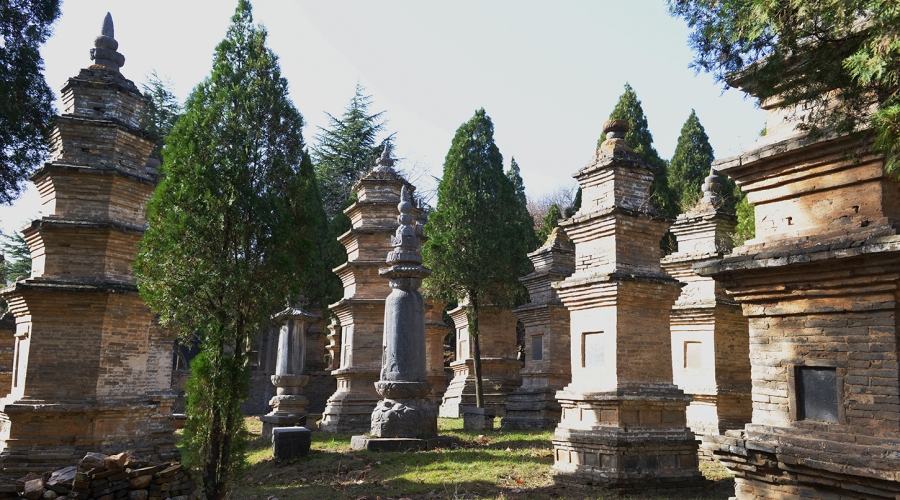
-
Day : 3 Zhengzhou – Shaolin Temple – Luoyang
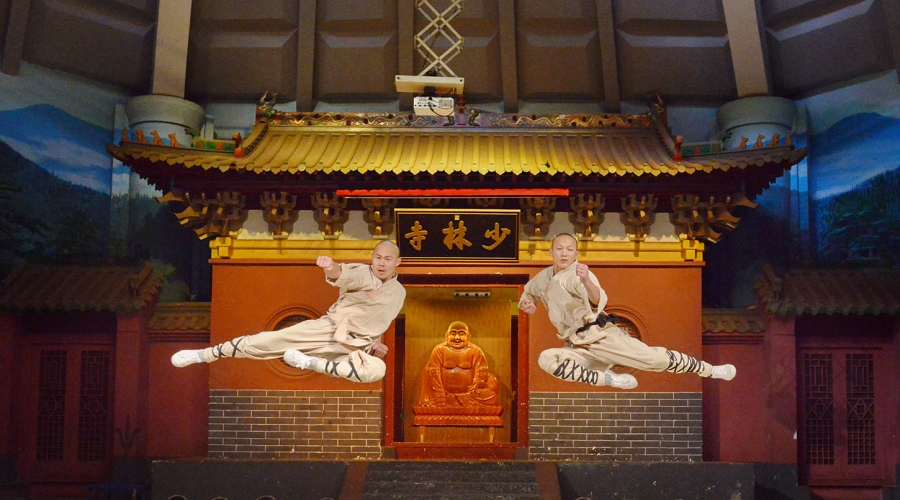
The largely rebuilt Shaolin Temple is a commercialized victim of its incredible success. A frequent target of war, the ancestral home of wǔshù was last torched in 1928, and the surviving halls – many of recent construction – are today assailed by relentless waves of selfie-shooting tour groups. The temple’s claim to fame, its dazzling gōngfū (kung fu) based on the movements of animals, insects, and sometimes mythological figures, guarantees that martial arts clubs around the world make incessant pilgrimages.
Hotel As Per Itinerary: Ramada Luoyang downtown or similar
West Facing Hall, has depressions in the floor, famously (and apocryphally) the result of generations of monks practicing their stance work, and huge color frescoes. Always be on the lookout for the ubiquitous Damo (Bodhidharma), whose bearded Indian visage gazes sagaciously from stelae or peeks out from temple halls.
Pagoda Forest: a cemetery of 248 brick pagodas, which includes the ashes of eminent monks, is well worth visiting. Not all of the pagodas are ancient, see if you can spot the one with a car, camera, and laptop computer on the frieze.
Meals Included: Breakfast , Lunch , Dinner
-
Day : 4 Luoyang – Longmeng Grottoes – Luoyang
Longmeng Grottoes: Longmen Grottoes are always on the top of Luoyang attractions. It is the largest stone carving art treasure house with the largest number of statues in the world and is rated as "the peak of Chinese stone carving art" by UNESCO. It is now a world cultural heritage site, a national key cultural protection unit, The carving of Longmen Grottoes started in the reign of Emperor Xiaowen in the Northern Wei Dynasty (AD 386-534) and lasted more than 10 dynasties for over 1400 years. The caves are densely distributed on the cliffs of West Hill and East Hill along the Yi River, stretching about 1 km from north to south. At present, there are 2345 niches and more than 110,000 statues.
Hotel As Per Itinerary: Hyatt Place Luoyang or similar
The White Horse Temple: The White Horse Temple enjoys a high reputation in Buddhism as it is the first officially built temple after Buddhism was introduced in China. The original White Horse Temple was built in AD 68 on a grand scale. Since then, it has spread Buddhism to Japan, North Korea, southeastern Asian countries like Burma and Thailand, and European and American countries.
Meals Included: Breakfast , Lunch , Dinner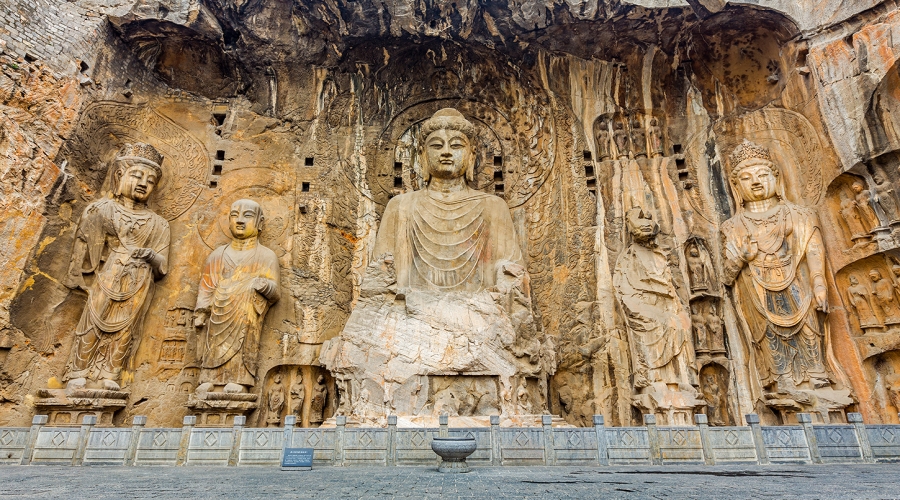
-
Day : 5 Luoyang – Chenjiagou Taichi Village – Mount Yuntai
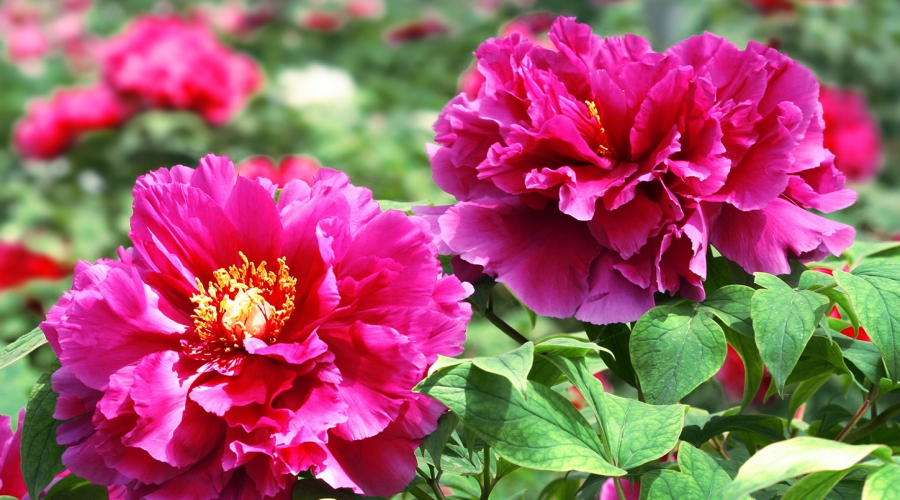
Luoyang Peony Festival: In China, Peony has long been highly appreciated since the Tang Dynasty, when the flowers were cultivated in the imperial gardens and gradually spread across the whole country. Luoyang, once served as the capital city in the Tang Dynasty, became the city of peonies and also the best place to see peony flowers. Luoyang has a reputation as “the city of peony flowers”. Every year from April to early May, Luoyang is flooded with tourists who are here to see the graceful peonies.
Hotel As Per Itinerary: Yuntai Tianjie International Hotel or similar
Chenjiagou Taichi Village Museum: the city is the birthplace of Taichi, the museum is a wonderful collection of art, sculptures, and information about the history and theory of this martial arts. The museum also has a way of introducing you to the tai chi Masters and their life stories.
Meals Included: Breakfast , Lunch , Dinner
-
Day : 6 Mt. Yuntai UNESCO Global Geopark
Mt. Yuntai UNESCO Global Geopark has a complex topography and the climate varies with the change of altitude and terrain. Because of this characteristic landform and climate, Yuntai Mountain enjoys a large area of primitive forest with more than 500 kinds of exotic flowers and rare herbs grown. The geographic relics are also abundant. As a result of the crustal movement and erosion, untai Landform with splendid mountains and waterscapes forms. Apart from the enjoyable view, you can also feel the rich culture. Seven sages in Wei and Jin Dynasties have lived in Baijia Cliff for over twenty years. They always focused on the landscape and left many anecdotes.
Hotel As Per Itinerary: Yuntai Tianjie International Hotel or similar
Meals Included: Breakfast , Lunch , Dinner

-
Day : 7 Mt. Yuntai UNESCO Global Geopark – Taiyuan (Highspeed Train)
In the morning continue visiting Mount Yuntai Geopark. After lunch take a Highspeed train to Taiyuan, the city is the provincial capital of Shanxi. It is a city with 2,500 years of recorded history. In the past, it was previously called Jinyang. As the provincial capital of Shanxi,
Hotel As Per Itinerary: InterContinental Taiyuan or Similar
Twin Pagoda Temple: Two 170-foot pagodas are standing in this temple that was built the in Min Dynasty around 1000 years ago. Each of the pagodas in Twin Pogoda Temple has 13 stories and is made entirely of bricks and stone. The exterior was sculptured in the shape of an octagon and decorated with exquisite flying eaves. An internal staircase was added so that visitors could climb to the top of the pagoda and gaze far afield.
Meals Included: Breakfast , Lunch , Dinner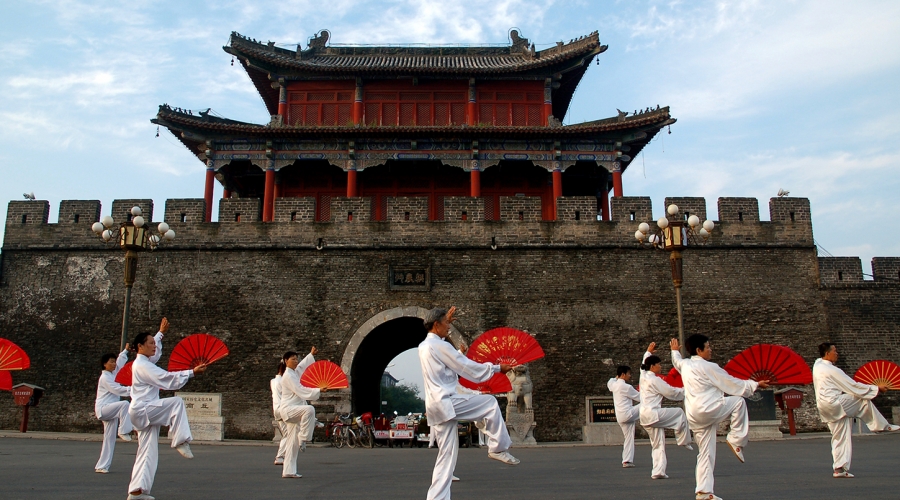
-
Day : 8 City tour in Taiyuan
Jinci Temple: Just 25 kilometers from downtown Taiyuan, Jinci Temple is a historic cultural site offering fine examples of ancient Chinese architecture, sculpture, frescoes, and inscriptions. This sprawling complex sits on the source of the Jin River in arid Shanxi. The earliest structures and the irrigation canal (which still gushes on rainy days) were built between the 7th and 2nd centuries BC. Over the dynasties, the Jinci Temple has been a site for the worship of ancestors, water deities, and a plethora of gods; it was also an imperial garden where religious rites and sporting contests were held. The highlights are structures on the central axis, including the magnificent Hall of the Sacred Mother.
Hotel As Per Itinerary: InterContinental Taiyuan or Similar
Shanxi Museum: Shanxi Museum, with more than 500,000 pieces of cultural relics, is the best place for you to have an overall understanding of the history and achievements of this place through the past thousands of years. There are 12 exhibits in chronological order and feature different themes such as Buddhism, opera, business, architecture,
Meals Included: Breakfast , Lunch , Dinner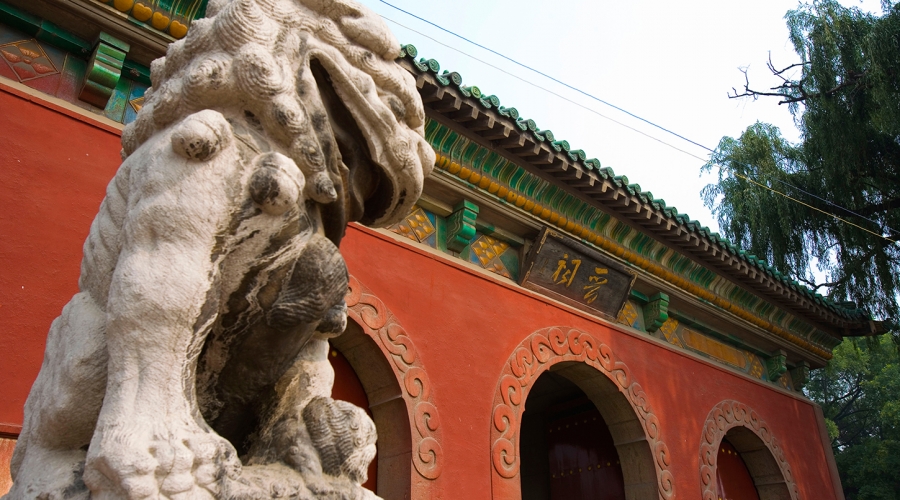
-
Day : 9 Taiyuan – Hukou Waterfall – Mount Yunqiu
Hukou Waterfall: The largest waterfall on the Yellow River and the second largest waterfall in China (only the Huangguoshu Waterfall in Guizhou province is bigger), the Hukou Waterfall is sometimes associated with neighboring Shanxi province, though it can be seen from the Shaanxi side at this point where the Yellow River cleaves the two provinces. The waters of the Yellow River are constricted at this point, being pinched between the mountains, so they gush at speed. The volume of water varies according to the time of year, with greater and more dramatic flows during the heavier rains and water flows from April to around October. Winter can also be a photogenic time to travel when you get to see a sparkling and frozen ice fall instead.
Hotel As Per Itinerary: Novotel Mount Yun or Similar
Mount Yunqiu: Yunqiu Mountain scenic area in southwestern Shanxi province is located on the southern part of Lyuliang Mountain and faces the Fenhe River. It integrates tourism, leisure and folklore experience
Meals Included: Breakfast , Lunch , Dinner -
Day : 10 Mount Yunqiu
Full-day visit the Mt.Yunqiu, is a national 5A level scenic area, known as “Kunlun” and “Beiding” in ancient times. It is located in the core circle of Hefen Civilization, the geographical indication of Chinese native culture, one of the birthplaces of Chinese agricultural civilization, the intangible cultural heritage place of Zhonghe culture, and the core tourist spot of Jinnan Genzu culture. It is the origin of Chinese civilization, known as the Growth Ring of China.
Hotel As Per Itinerary: Novotel Mount Yun or Similar
Meals Included: Breakfast , Lunch , Dinner -
Day : 11 Mount Yunqiu - Pingyao ancient town
Pingyao ancient town is an exceptionally well-preserved example of a traditional Han Chinese city, founded in the 14th century. Its urban fabric shows the evolution of architectural styles and town planning in Imperial China over five centuries. Of special interest are the imposing
Hotel As Per Itinerary: Yunjingcheng Masion or Similar
buildingsassociated with banking, for which Ping Yao was the major center for the whole of China in the 19th and early 20th centuries.
Pingyao ancient city wall: The old city wall of Pingyao is one of the attractions that make this UNESCO World Heritage Site so magnificent. Pingyao’s city wall is about 40 feet (12 meters) high and its width varies from 10 to 20 feet (3 to 6 meters) at the top. It is made from compacted earth and covered with brick and stones. When viewed from above, the wall resembles a turtle, which is a symbol of longevity in Chinese tradition.
Confucian Temple: The Confucian Temple of Pingyao was traditionally a school. During the age of imperial testing in China, people came here to take their exams. First built as early as the 7th century, the temple was rebuilt in its current form in the year 1163 and remains remarkably well-preserved.
Meals Included: Breakfast , Lunch , Dinner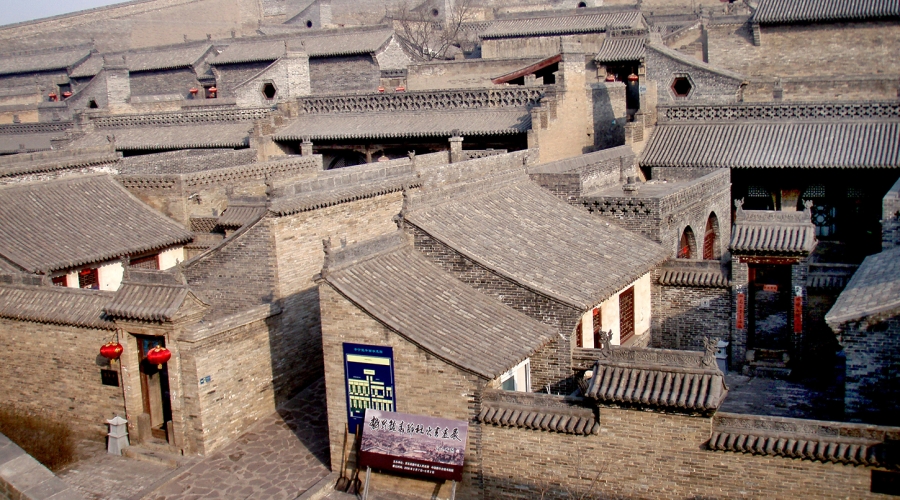
-
Day : 12 Pingyao ancient town
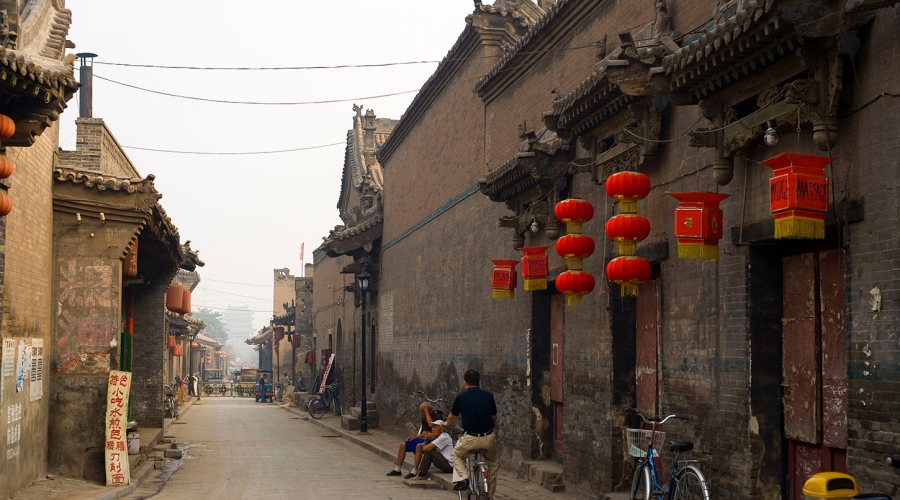
Ancient street & city tower: One of the best things to do in Pingyao is stroll down the lanes of the old city. The area within the city walls is mostly pedestrianized and you can walk along the old streets, visit shops, sample snacks, and relax in a cafe with a cup of tea or coffee. There are lots of restaurants, most with English menus, so it’s easy to get a meal on your own. The old city itself is about 1 square mile, so you won’t get too lost. In the middle of the main street sits the picturesque city tower, which together with the old buildings along the street makes for the quintessential photo of Pingyao.
Hotel As Per Itinerary: Yunjingcheng Masion or Similar
Rishengchang draft bank: Established in 1823, Rishengchang is famous as China’s first draft bank (traditionally called Piaohao in Chinese), a predecessor of modern banks in China. During the Qing Dynasty, China's currency was based on silver coins. It was not convenient or safe for traders to move the coins from one location to another in China. The Rishengchang Draft Bank was part of a chain that offered a convenient method to move money through a system of bills. Traders could deposit money in one location and it could be withdrawn in another. While the system of exchange shops eventually ended in bankruptcy, Rishengchang had a great influence on the Chinese economy during its 108 years of operation. Although the bank itself is not huge, because of its historic significance, this sight attracts a lot of visitors!
Ancient County City Hall: Gu Xianya the ancient county city hall is located in the center of Pingyao Ancient City. It was first built during the Northern Wei Dynasty (386-534) and was rebuilt in 1346. The well-preserved county government office lies on a north-south axis and occupies a huge complex of more than 26,000 square meters
Temple of the city god: The Temple of the City God is a well-preserved Taoist temple located within Pingyao Ancient City. The temple complex has a historic atmosphere, and many locals come to burn incense and pray. This colorful and peaceful temple makes for a pleasant stop for visitors to Pingyao.
Meals Included: Breakfast , Lunch , Dinner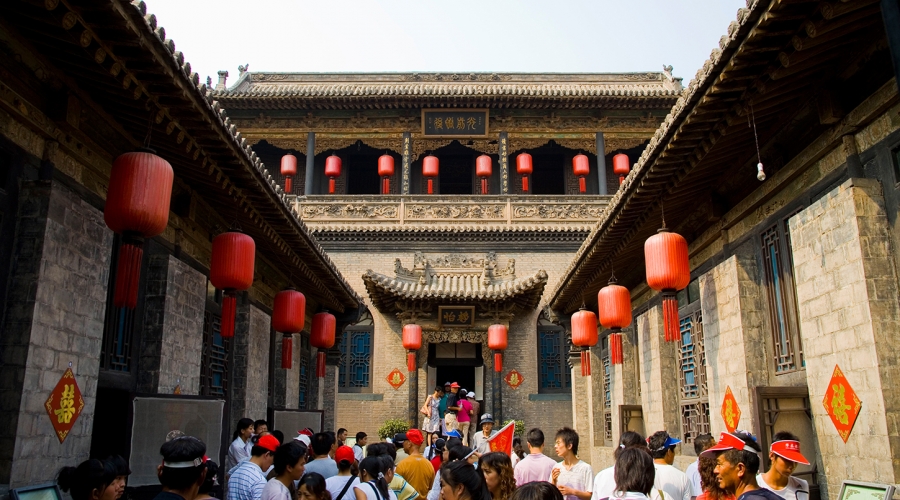
-
Day : 13 Pingyao – The Qiao Family Compound – Taiyuan
The Qiao Family Compound: This is a traditional Qing dynasty Mansion, an 18th-century complex of courtyards covering 24,000 sq m is a fine example of a traditional private residence in China. Once home to a celebrated merchant, it’s an austere yet elegant maze of doorways and courtyards that lead to a seemingly infinite number of rooms (over 300). If you have seen and enjoyed the film, a visit is a must. The Qiao Family Compound is wellrestored and full of culture and artistic spirit. Wooden carvings, brick carvings, stone carvings, tablets, and color paintings are everywhere. It is a wonderful experience to see how a wealthy family was able to stick together through many generations and build a thriving business, which continues today. In 1986, the Qiao Family Compound was opened to the public and served as the Qi County Folk Museum. More than 5,000 precious relics are displayed, fully reflecting the local agricultural customs, ceremonies, business customs, arts, and crafts. Themed categories include "History of the Qiao Family", "Treasures of the Qiao Family", and "Cinema Archives".
Hotel As Per Itinerary: InterContinental Taiyuan or Similar
Meals Included: Breakfast , Lunch , Dinner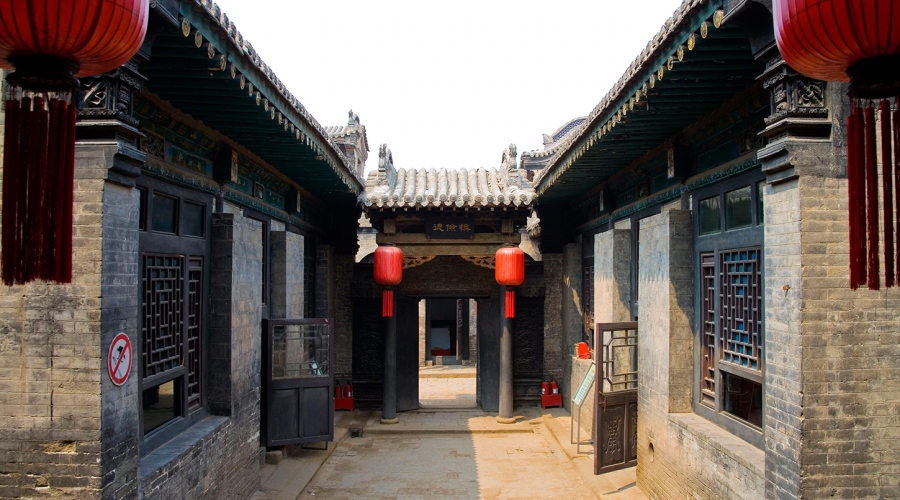
-
Day : 14 Departure Taiyuan
After breakfast, transfer to the airport for the return flight.
Meals Included: Breakfast
